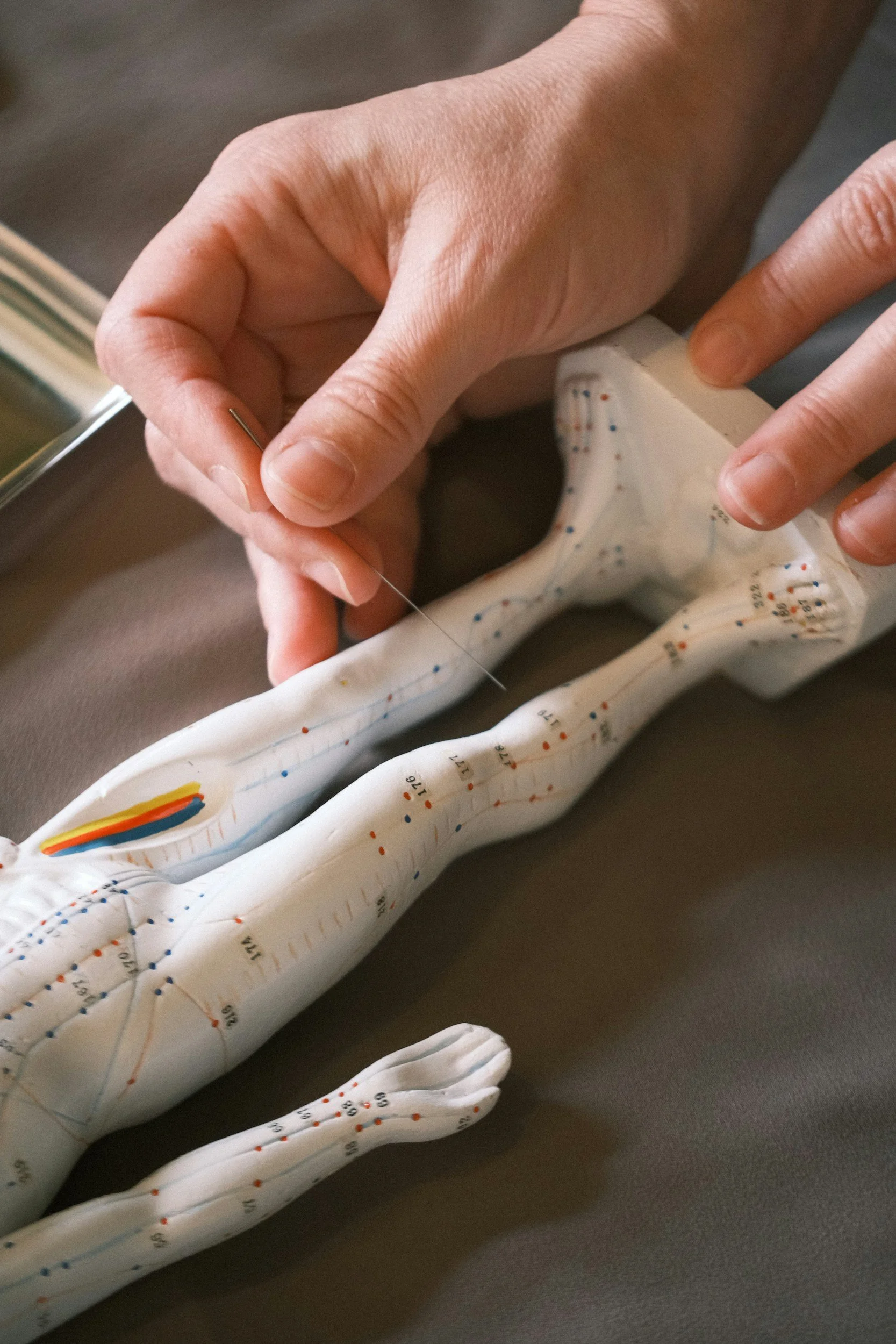
A different standard of holistic health care.
My Story
Many people come to me after struggling with eczema for months or even years. They have tried creams, changed detergents, adjusted diets, avoided triggers, and followed every recommendation — only to watch the redness, itching, dryness, and irritation come back again.
As a doctor of acupuncture and Chinese medicine, my work is focused on helping people look deeper than the surface of the skin.
In Chinese medicine, eczema is not seen as one single problem with one single cause. It is understood through patterns. Some people show more heat, with red, angry, irritated skin. Some show more dampness, with weeping, oozing, or sticky patches. Others show more dryness, sensitivity, digestive weakness, or chronic reactivity.
This is why two people can both have eczema, but need very different support.
My perspective was shaped by living in Asia from 2004 to 2016, including nearly a decade in China, where herbal medicine, food, routine, and preventive care were woven into everyday life. After completing formal training in acupuncture and Chinese medicine and advanced postgraduate study in Chinese medicine dermatology, I became especially drawn to helping people with chronic eczema break out of the repeated flare cycle.
For babies and toddlers, care may focus on gentle topical herbal bath support. For older children and adults, care may include individualized Chinese herbal medicine, topical support, diet and lifestyle guidance, and ongoing follow-up when appropriate.
The goal is not simply to cover up symptoms. The goal is to understand the pattern behind the skin irritation, support skin comfort, and help create a more consistent care routine over time.
If you or your child has been struggling with eczema and you are looking for a deeper, more individualized approach, this work was created for you.
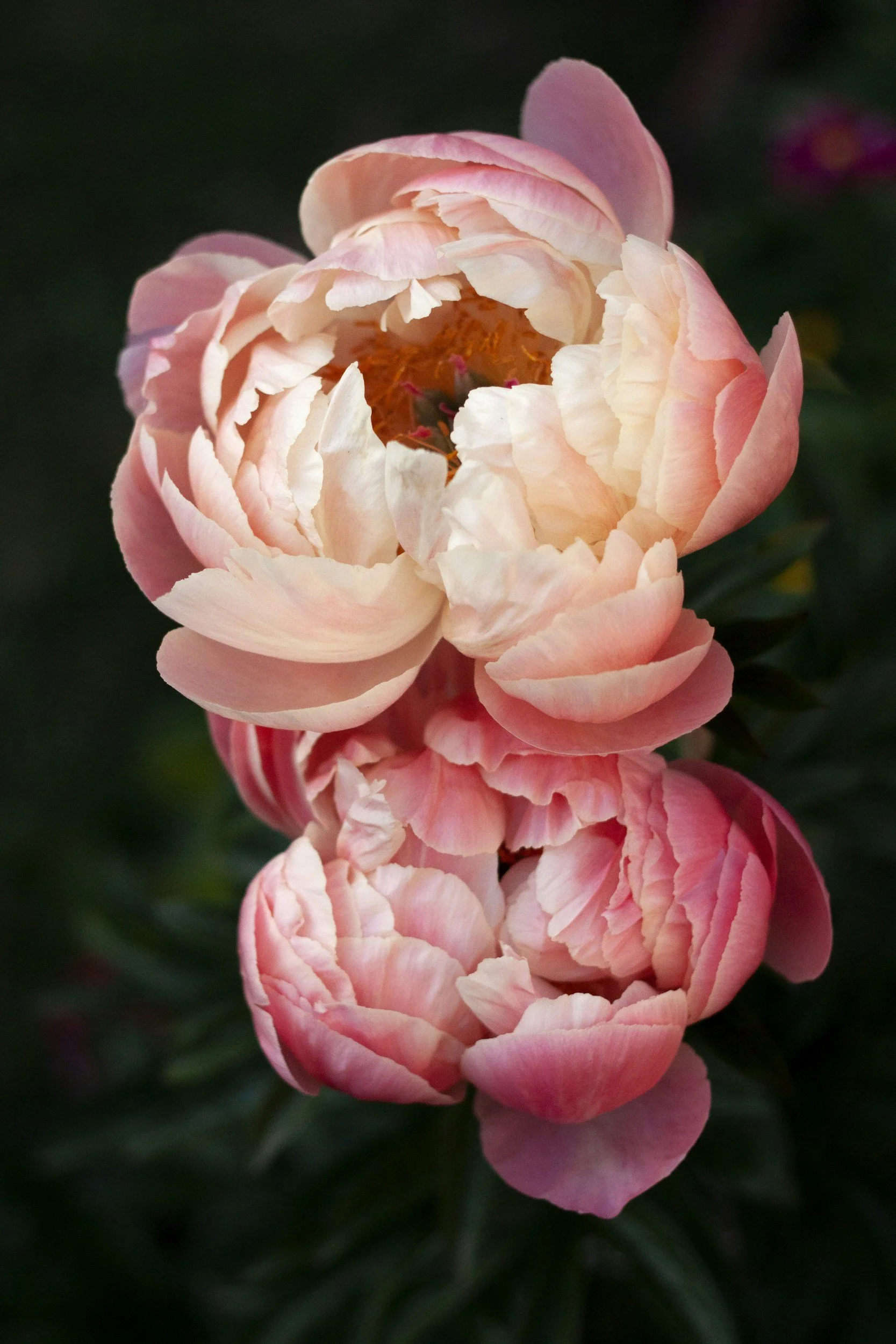
Mǔ Dān 牡丹
Mǔ Dān (牡丹), the peony, has long been treasured in Chinese culture as a symbol of balance, resilience, and refined strength. In Chinese medicine, the root bark—known as Mǔ Dān Pí (Moutan Bark)—is valued for its ability to clear internal heat, calm inflammation, and promote healthy circulation within the body. It is frequently used in classical formulas for chronic skin conditions and systemic inflammatory patterns.
At Mǔ Dān Holistic Health, the name reflects both this medicinal heritage and a broader philosophy of care. Rather than focusing solely on surface symptoms, treatment aims to restore harmony within the body’s internal terrain so that lasting improvement becomes possible. Like the peony itself—beautiful yet deeply rooted—true healing is supported from within.
Training, Education & Licensure
Dr. Justin Garcia completed his graduate and doctoral education in California, a state known for maintaining some of the most rigorous acupuncture education and licensing standards in the U.S. He earned both his Master of Acupuncture and Herbal Medicine (MAHM) and Doctor of Acupuncture and Herbal Medicine (DAHM) through Alhambra Medical University.
AMU’s MAHM program includes 2,160 hours of didactic instruction and 960 hours of clinical internship, for a total of 3,120 hours of training.
AMU’s DAHM graduation requirements include 2,400 hours of didactic instruction, 1,020 hours of clinical internship(including integrative case studies), and 60 lab hours, for a total of 294 quarter units.
Dr. Garcia has passed both national board examinations (NCCAOM) and the California state licensing examinations, and is licensed to practice in the states of Arizona, California and Texas..
To maintain active licensure, ongoing continuing education is required. 50 hours of Board-approved continuing education every two years, including a law and ethics requirement within the renewal period.